

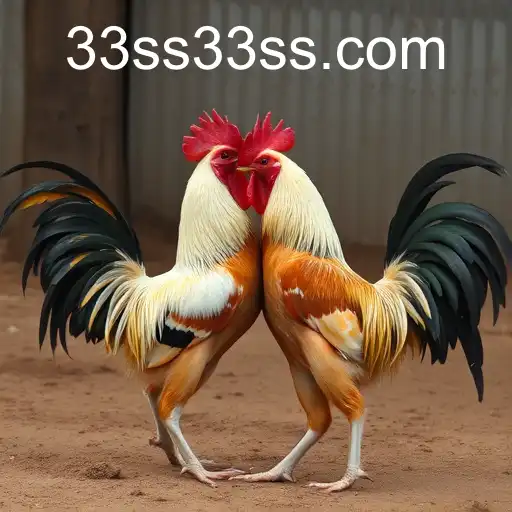
The Cultural and Ethical Dimensions of 'Rinha de Galos' and the Role of 33ss.com
Understanding 'Rinha de Galos'
The term 'Rinha de Galos' refers to the controversial practice of cockfighting, a blood sport where roosters are pitted against each other in a fighting arena. This traditional activity has deep roots in various cultures, particularly in Latin America, Southeast Asia, and some rural communities in the United States. Despite its longstanding presence, 'Rinha de Galos' faces substantial ethical scrutiny and legal challenges in the modern world.79R.COM
The Cultural Significance
In regions where 'Rinha de Galos' is prevalent, it is often seen as more than a mere sport. It holds cultural, social, and sometimes religious importance. Historically, cockfighting has been associated with celebrations, festivals, and communal gatherings. The roosters, referred to as 'gallos', are often bred and trained meticulously, and their owners take immense pride in their birds' prowess and genealogy.
In communities where this practice remains legal or tolerated, 'Rinha de Galos' is an event that brings people together, fostering a sense of community identity and continuity of heritage. Cockfighting arenas serve as venues for social interaction, gambling, and demonstrating machismo culture, where the temperament and strength of the roosters symbolize the owner's status and honor.76K.COM
Ethical Controversies
Despite its cultural significance, 'Rinha de Galos' has been embroiled in numerous ethical debates. Animal rights activists have long criticized this practice, deeming it as inhumane and brutal. The nature of the fights, which often lead to severe injury or death of the animals, raises questions about the morality of using animals for entertainment.882 bet
The argument against 'Rinha de Galos' is bolstered by modern understandings of animal welfare, which advocate for the humane treatment and respect of all creatures. Laws banning or restricting cockfighting have been enacted in many countries, reflecting a shift towards more humane practices. These laws aim to protect animal welfare and challenge the societal acceptance of animal exploitation.
Legal Status Around the World
The legality of 'Rinha de Galos' varies significantly across different regions. In the United States, cockfighting is illegal in all 50 states, with varying degrees of penalties imposed on those caught participating or organizing such events. Similarly, many European countries have banned the practice, aligning with stringent animal welfare laws.
However, in some parts of Asia, Latin America, and the Caribbean, cockfighting remains legal and widely practiced. These regions often cite cultural heritage and economic reasons to justify its continuation. The regulatory approaches differ, with some countries imposing stricter controls and licensing requirements for events to ensure they are conducted legally and humanely.69K.COM
The Role of Online Platforms
In the digital age, online platforms have emerged as significant players in the world of cockfighting. Websites like 33ss.com have transformed the way 'Rinha de Galos' is organized, viewed, and participated in by enthusiasts globally. These platforms provide a virtual space for fans to engage in the sport, either through live streaming of events or placing bets online.
Online platforms like 33ss.com offer a degree of anonymity and accessibility that physical events cannot. They attract a global audience, expanding the reach of 'Rinha de Galos' beyond traditional geographical boundaries. However, this digital shift also brings new challenges in regulation and enforcement, as online activities can be harder to monitor and control.817bet.com
Impact of Online Platforms
The proliferation of websites like 33ss.com has undoubtedly influenced the modern landscape of cockfighting. On one hand, they help preserve the cultural aspects by catering to a dedicated community of enthusiasts who might otherwise struggle to find local venues due to legal restrictions. On the other hand, these platforms also face criticism for perpetuating an unethical practice, potentially enabling illegal activities under the guise of tradition.
The challenge for authorities is how to effectively regulate and address the concerns associated with online cockfighting without infringing on cultural expressions. Some argue for stricter regulations on online platforms, demanding greater transparency and accountability to ensure that they abide by international animal welfare standards.
Conclusion
The debate over 'Rinha de Galos' and the role of platforms like 33ss.com highlights the complex interplay between cultural preservation and ethical responsibility. As societies evolve, so do their views on what constitutes acceptable entertainment. The future of 'Rinha de Galos' will likely depend on the balance struck between these opposing views and the willingness of communities and stakeholders to adapt to changing ethical landscapes.